
Enlarged Prostate
Enlarged Prostate (Benign Prostatic Hyperplasia – BPH)
Enlarged Prostate
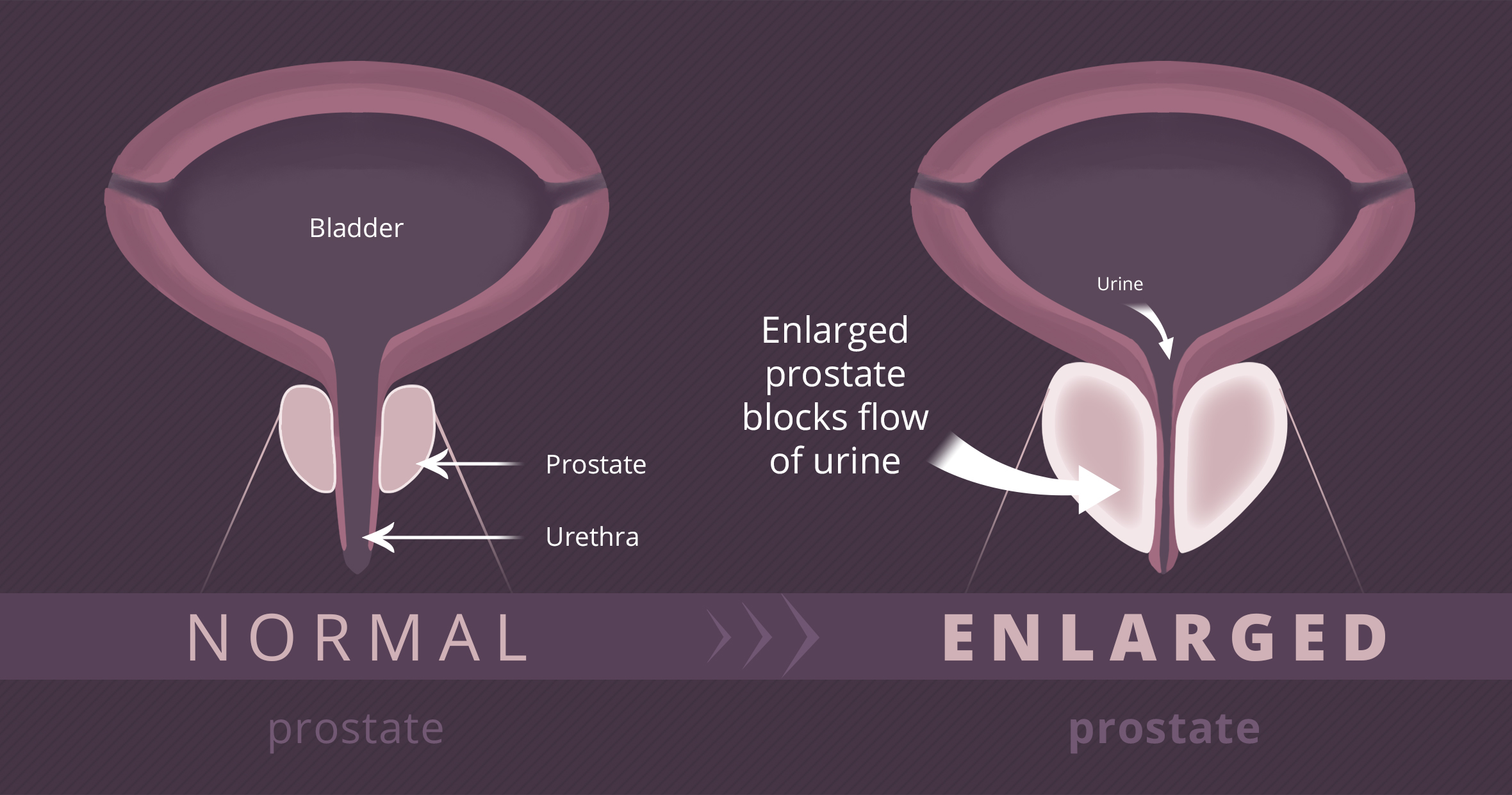
A large or enlarged prostate, also called benign prostatic hyperplasia (BPH), is a common, non-cancerous condition that occurs as men age.
The prostate is a gland located below the bladder and around the urethra (the tube that carries urine out of the body).
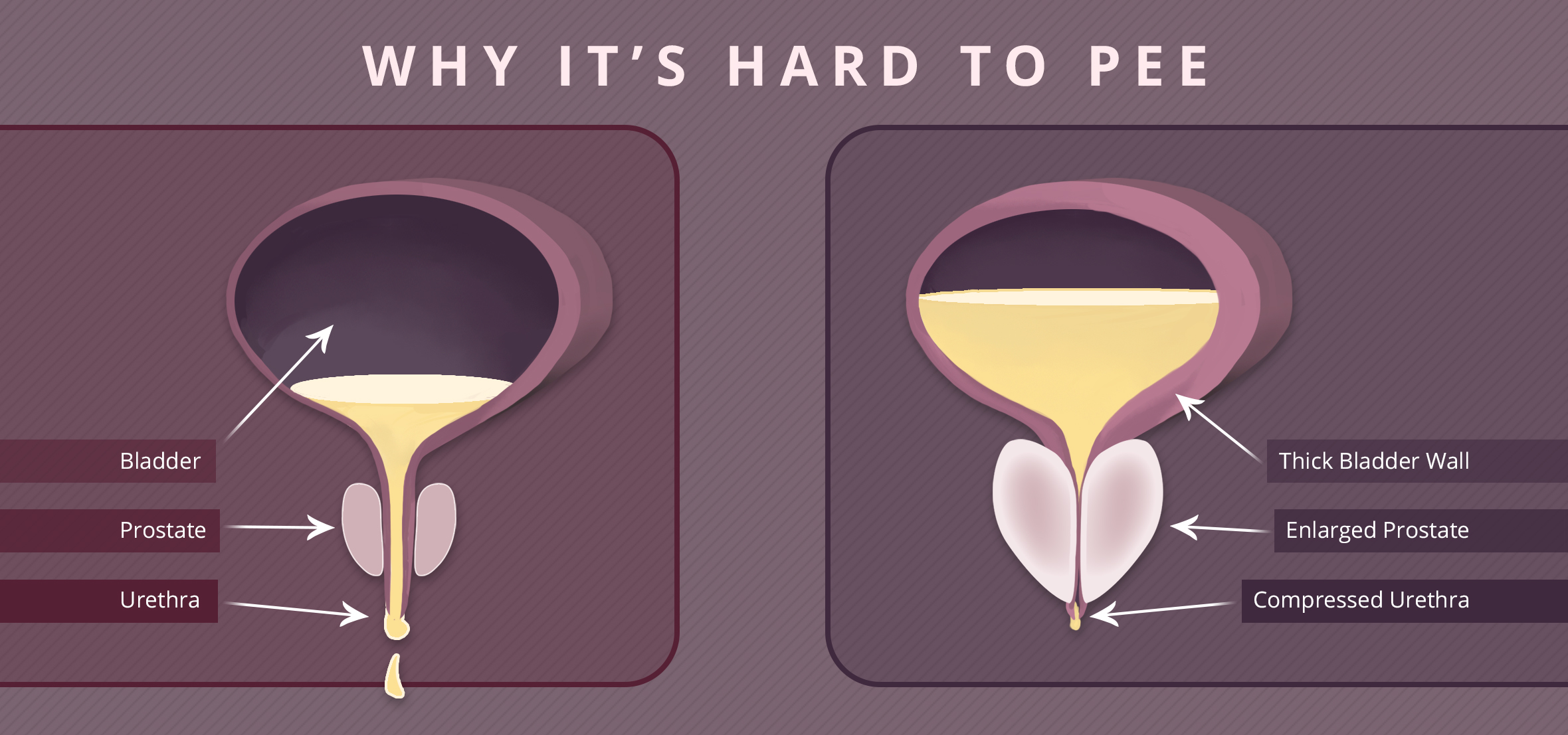
As the prostate grows, it can press on the urethra and affect the normal flow of urine.
Common Symptoms
Symptoms may develop gradually and can include:
- Weak or slow urine stream
- Difficulty starting urination
- Frequent urination, especially at night
- Feeling that the bladder does not empty completely
- Urgency or dribbling after urination
Why Does an Enlarged Prostate Matter?
While BPH is not cancer, untreated prostate enlargement can:
- Worsen urinary symptoms over time
- Increase the risk of urinary retention
- Contribute to bladder or kidney problems in some patients
Early evaluation helps prevent complications and improve quality of life.
How Is an Enlarged Prostate Evaluated?
Evaluation may include:
- Review of urinary symptoms and medical history
- Physical examination
- Urine tests to rule out infection or blood
- Blood tests, including kidney function (and PSA when appropriate)
- Imaging or bladder testing in select cases
How Is It Treated?
Treatment depends on symptom severity and overall health:
- Observation for mild symptoms
- Medications to relax the prostate or reduce its size
- Procedures or surgery in more advanced cases
Many men experience significant symptom relief with treatment.
When Should I Seek Medical Care?
You should seek prompt evaluation if you have:
- Inability to urinate
- Worsening urinary symptoms
- Blood in the urine
- Recurrent urinary tract infections
Who is at risk?
Several factors contribute to your risk for developing BPH.
AGING
AGING
BPH is more common in men ages 50+
FAMILY HISTORY
FAMILY HISTORY
Having a blood relative (father, uncle, brother) with prostate problems increases the likelihood that you’re genetically predisposed to BPH
ETHNICITY
ETHNICITY
Studies show that prostate enlargement is less common in Asian men
Having to urinate more, often at night. The reason is that the enlarged prostate gland presses on the urethra, which carries urine out of the body. Because of this pressure, the bladder muscles have to work harder to excrete urine. The bladder eventually may start to contract even when only a small amount of urine is present, creating the urge to urinate more often.
It may also take longer to initiate a urine stream. Urinating with a weaker flow or dribbling urine is also very common. You may also feel that there is still urine inside the bladder, even after you have finished urinating.
The prostate gland grows throughout a man’s life, starting at puberty and again from age 25 onward. Typically, there are no symptoms from an enlarged prostate before age 40. Up to 90% of men have symptoms of BPH by age 85, but only about one-third of men with BPH symptoms are bothered by the symptoms.
Let’s get one thing clear: BPH isn’t cancer and it doesn’t cause cancer. That said, some of the symptoms of BPH are the same as those of prostate cancer, so many men are fearful of the symptoms. However, BPH is far more common than prostate cancer. If you do develop any of the symptoms, it’s best to go to your doctor and get screened.
This depends on how severe your symptoms are. “Waitful watching” and close follow up with your doctor is a good option if you have mild symptoms.
There are! Here are a few recommended ways to relieve symptoms of BPH:
- Avoid alcohol and caffeine
- Avoid drinking fluids at bedtime, and drinking smaller amounts throughout the day
- Avoid taking decongestant and antihistamine medications
- Get regular exercise
- Make a habit of going to the bathroom when you have the urge
- Practice double voiding (empty the bladder, wait a moment, then try again)
- Practice stress management and relaxation techniques
Your doc will tell you if you need a pill. This is how they work…
Drugs to improve your urine flow: Alpha blockers help relax the muscles in the bladder and prostate, allowing urine to flow more freely. They also relax the muscles in your arteries so it also helps with high BP.
Drugs to slow the growth of the prostate gland: It does this by lowering the production of a hormone (that increases prostate size)
When medicines are not effective for symptom relief, procedures to remove excess prostate tissue can be considered. When medicine is no longer effective, a surgeon can go in an get rid of the excess prostate tissue. My surgical counterpart, a urologist or a kidney surgeon, handles this. I would be happy to give you a referral!
Master Your Kidney Health Journey.
Don't hesitate—reach out to our team today to discuss your kidney health
concerns and take the next step toward better well-being.