
Kidney Stones
Kidney Stones:
What Patients Should Know
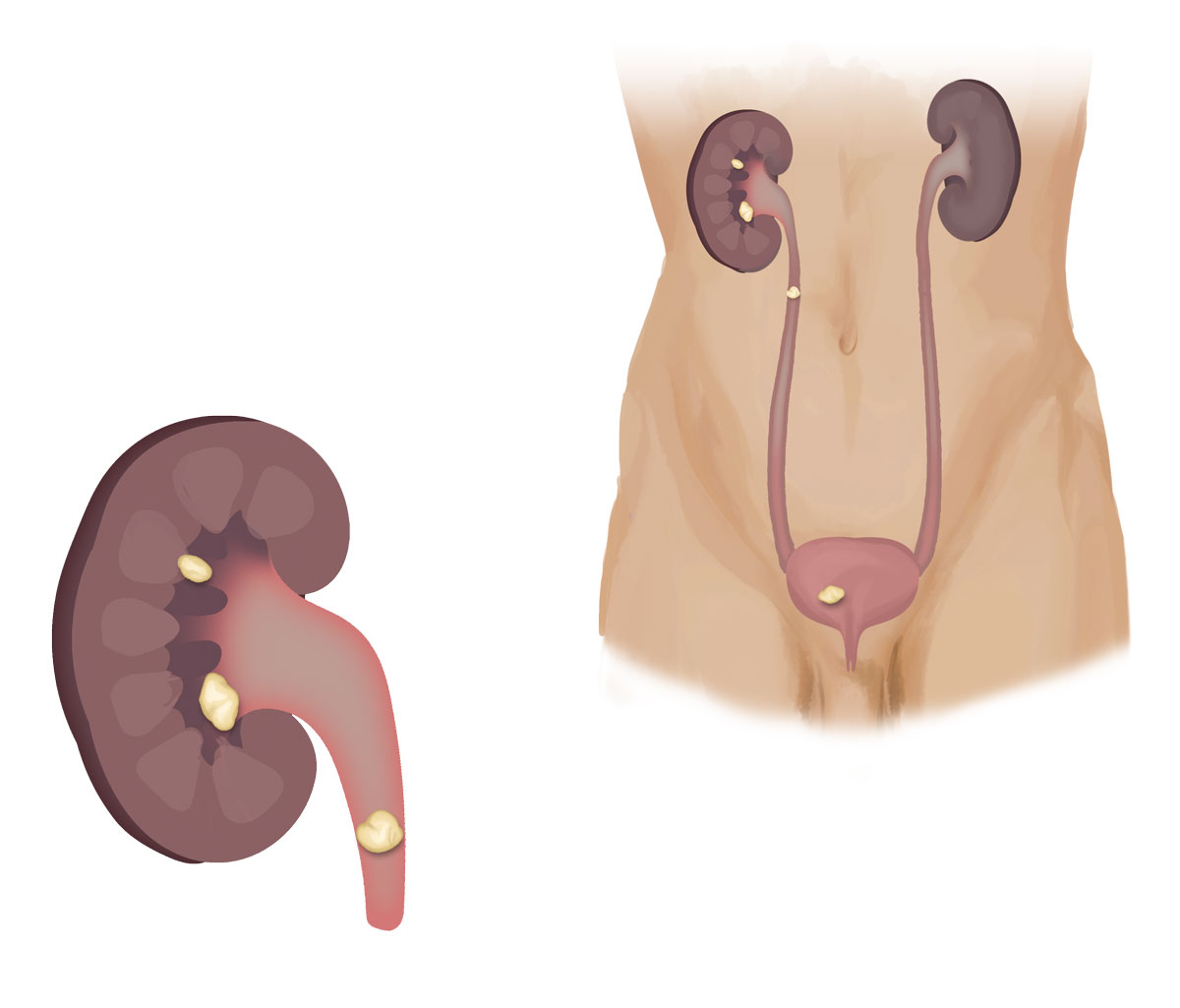
Kidney stones are hard deposits made of minerals and salts that form inside the kidneys.
They develop when urine becomes concentrated, allowing minerals to stick together and crystallize.
Stones can vary in size from very small grains to larger stones and may stay in the kidney or move into the urinary tract.
While some stones pass on their own, others can cause pain or blockage and may require treatment.
Common Symptoms
- Sharp pain in the side, back, or lower abdomen
- Pain that comes in waves or moves toward the groin
- Blood in the urine
- Burning or discomfort with urination
- Nausea or vomiting
- Fever or chills (may suggest infection and needs urgent care)
Why Do Kidney Stones Form?
Kidney stones may form due to:
- Not drinking enough fluids
- High salt intake
- Certain diets or supplements
- Family history of kidney stones
- Medical conditions affecting calcium or uric acid
- Some medications
Common Types of Kidney Stones
- Calcium stones (most common)
- Uric acid stones
- Struvite stones (often related to infections)
- Cystine stones (rare, genetic)
How Are Kidney Stones Diagnosed?
Your doctor may use:
- Urine tests to look for blood, crystals, or infection
- Blood tests to evaluate kidney function and mineral levels
- Imaging (ultrasound or CT scan) to locate stones and assess size
How Are Kidney Stones Treated?
Treatment depends on the size and type of stone and your symptoms:
- Fluids and pain control for small stones
- Medications to help stones pass
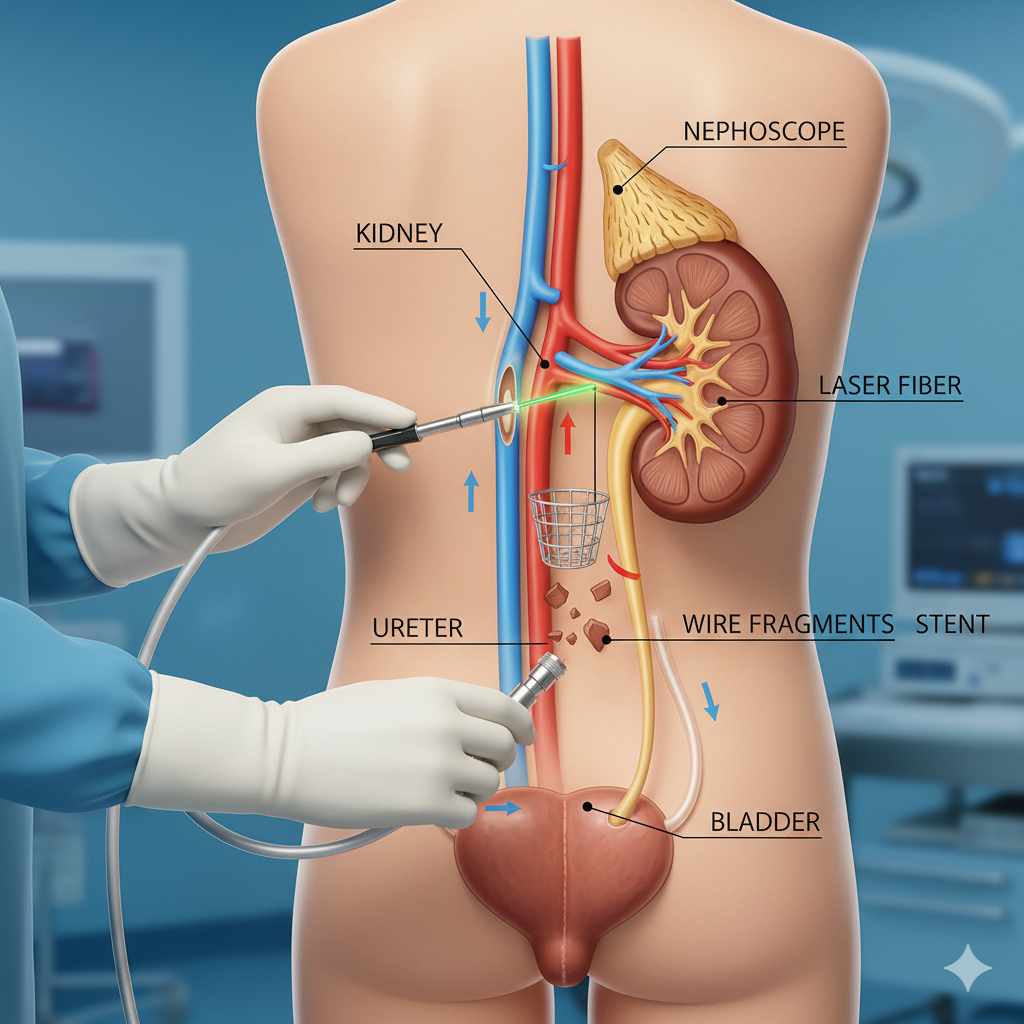
- Procedures if stones are large, stuck, or causing infection
Preventing Future Stones
- Drink plenty of water daily
- Reduce excess salt
- Follow dietary guidance based on stone type
- Regular follow-up if you have recurrent stones
When Should I Go to the Emergency Room?
You should seek urgent or emergency care if you experience:
- Severe or unbearable pain that does not improve with rest or pain medication
- Fever or chills, which may indicate an infection
- Nausea or vomiting that prevents you from keeping fluids down
- Difficulty urinating or little to no urine output
- Blood in the urine with clots
- Known kidney stones with signs of infection (pain plus fever is a medical emergency)
- Pain during pregnancy or if you have only one functioning kidney
Infections related to kidney stones can become serious quickly. Prompt evaluation helps relieve pain, protect kidney function, and prevent complications.
Risk Factors
Each type of kidney stone has different risk factors.
Calcium Oxalate Stones
Calcium Oxalate Stones
High calcium in blood
High calcium in urine
High dietary oxalate
Ingestion of high oxalate foods
Increased oxalate uptake by intestine due to Crohns Disease or after gastric bypass surgery
Reduced calcium intake
High uric acid level
Low Citrate level: Citrate inhibits the formation of stones
Uric Acid Stones
Uric Acid Stones
This is genetic and is suspected in those who form stones in childhood
High uric acid levels
Chronic diarrhea
High meat intake
Gout
Leukemia/lymphoma
Cystine stones
Staghorn Calculi
Staghorn Calculi
This is usually caused by recurrent UTIs.
Experiencing severe pain?
Go to the ER if your kidney stone is causing you serious pain
Conservative Management: It’s best to pass stones naturally!
The general idea is to have LESS CALCIUM flowing through your kidney.
First, grab your water bottle (or maybe a jug)! You need to increase your water intake to 2 liters a day, so drink up!
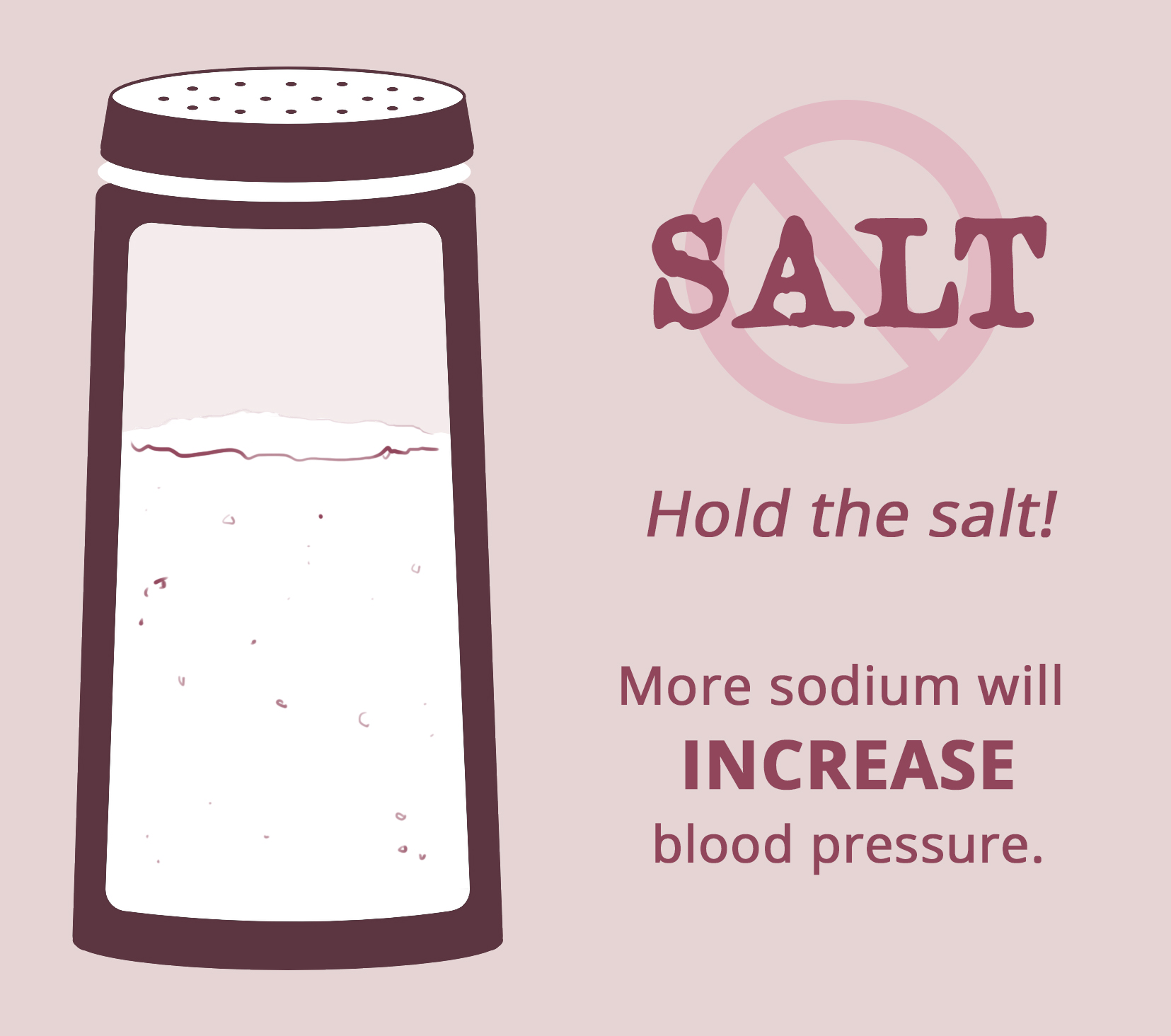
Equally important is to cut out salt! Look at food labels for sodium content and track how much you’re consuming a day. Processed food has a lot of added salt, so you may find the number to be quite surprising.
Start with the 2 listed above and leave the rest to Dr. G . To complete the stone treatment you will need to know what type of stone you are passing.
Contact Dr. G : If you pass a stone while urinating please try and retrieve it. Bring it in to the office and we can send it out for analysis. We need to know what type of stone you are passing to provide you with proper treatment.
Master Your Kidney Health Journey.
Don't hesitate—reach out to our team today to discuss your kidney health
concerns and take the next step toward better well-being.