
Blood in Urine (Hematuria)
Blood in Urine (Hematuria)
Hematuria
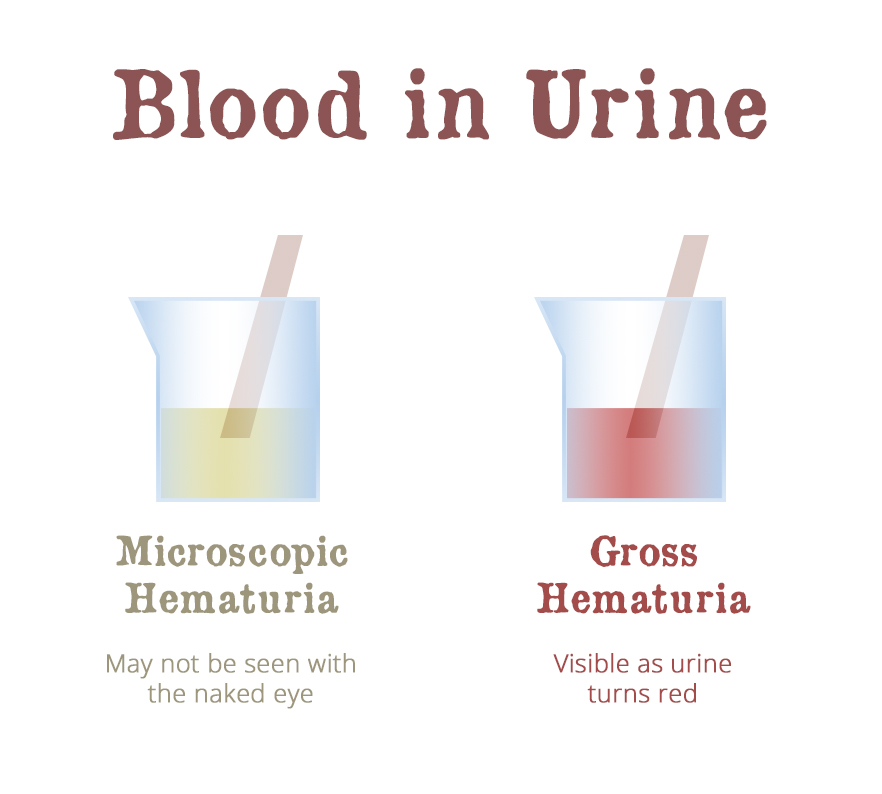
Blood in the urine, also called hematuria, means that red blood cells are present in the urine.
Sometimes it is visible to the eye, making the urine appear pink, red, or tea-colored.
Other times, it can only be detected under a microscope during a urine test.
Hematuria can occur for many reasons some minor and temporary, and others that need further evaluation.
Because blood in the urine is not considered normal, it is important to identify the cause so the appropriate care can be provided
Common Causes of Blood in the Urine (Hematuria)
Blood in the urine can happen for many reasons, including:
- Urinary tract infections (UTIs)
Can cause irritation and inflammation of the bladder or urinary tract. - Kidney stones or bladder stones
Stones can scrape the lining of the urinary tract and cause bleeding. - Enlarged prostate (in men)
A common, non-cancerous cause of hematuria as men age. - Kidney conditions
Certain kidney diseases can cause blood to leak into the urine. - Strenuous exercise
Intense physical activity can sometimes lead to temporary blood in the urine. - Medications
Some blood thinners or anti-inflammatory medications may contribute. - Trauma or recent procedures
Injury to the kidneys or urinary tract, including recent catheter use or surgery. - Cancers of the kidney, bladder, or urinary tract
Less common, but important to rule out—especially in adults.
When Should I Be Concerned?
You should seek medical evaluation if:
- You see blood in your urine, even if it happens only once
- Blood in the urine is persistent or keeps returning
- You have pain, burning, fever, or difficulty urinating
- You notice clots or dark red urine
- You have a history of smoking, kidney disease, or cancer
- Blood is found on a urine test without an obvious cause
Because hematuria can be a sign of an underlying condition,
a medical evaluation helps determine whether the cause is harmless or needs treatment.
Master Your Kidney Health Journey.
Don't hesitate—reach out to our team today to discuss your kidney health
concerns and take the next step toward better well-being.